
Source: PARLY VOTE ON AMENDMENT BILL EXPECTED THIS WEEK – herald
Debra Matabvu and Nyore Madzianike
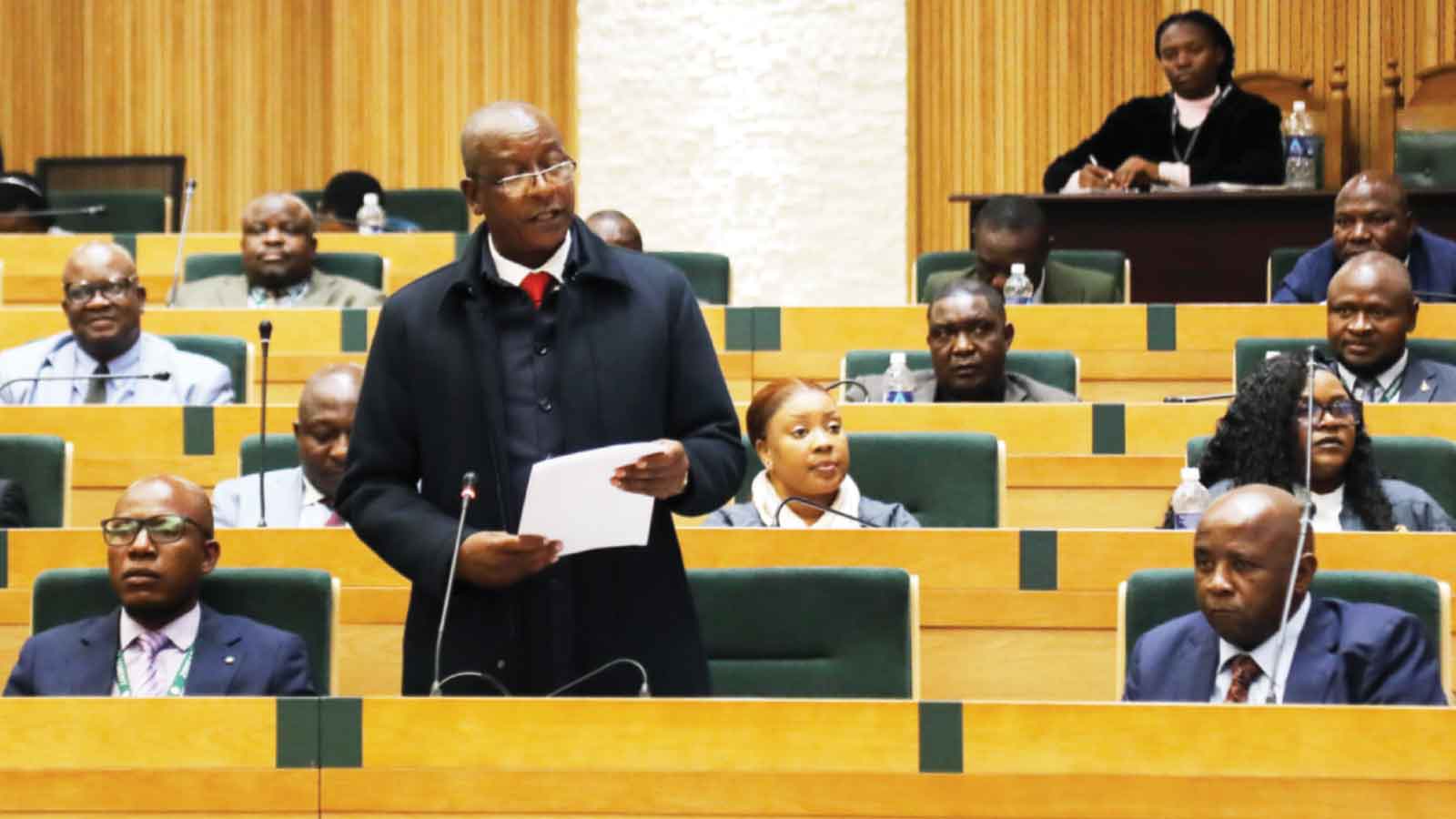
PARLIAMENTARIANS are expected to vote on the Constitution of Zimbabwe Amendment Bill (No. 3) in the National Assembly by Friday this week, marking a decisive stage in a legislative process that could significantly reshape the country’s governance, electoral and institutional framework.
Debate on the Bill is forecast to be completed early this week before lawmakers proceed to the committee stage and subsequently vote on the proposed constitutional amendments.
Parliament adjourned on Friday and is scheduled to resume sittings on Tuesday to continue deliberations on the Bill, which has attracted widespread interest because of its far-reaching proposals on elections, governance and institutional reforms.
Most legislators who contributed during last week’s debate, including some from opposition parties, spoke in support of the proposed amendments, arguing that they would promote policy continuity, reduce political polarisation and create a more stable environment for long-term national development.
Justice, Legal and Parliamentary Affairs Minister Ziyambi Ziyambi is expected to deliver his response to issues raised during the debate early this week, bringing the second reading stage of the legislative process to a close.
The Government, however, anticipates attempts by some legislators opposed to the Bill to prolong proceedings through extended debate and procedural objections.
ZANU PF Chief Whip Pupurai Togarepi said Parliament was likely to proceed to voting before the end of the week.
“Voting will mainly depend on debates currently taking place; however, we expect the voting to take place on Thursday or Friday,” he said.
Minister Ziyambi said while it was difficult to predict the exact timing because of ongoing debate, the Government expected the entire parliamentary process, including Senate consideration, to be completed before the end of June.
“It is very hard to predict when voting is expected to begin in Parliament given that we are likely to have legislators that will continue registering to debate, raising objections and at times displaying rowdy behaviour to delay the process,” he said.
“So, we are now at the second reading and we will have debates and the Bill will then go to the committee stage where we will look at the Bill clause by clause.
“During the third stage, thereafter voting takes place. However, we expect that by end of June this whole process will be complete.”
Parliamentary Portfolio Committee on Justice, Legal and Parliamentary Affairs chairperson Eddison Zvobgo said legislators would vote on the Bill clause by clause after the debate stage.
“After debating, then MPs will go into voting clause by clause.
“Thereafter, there will be adoption of the Bill before it is sent to Senate for their input,” he said.
If approved by the National Assembly, the Bill will be transmitted to the Senate for consideration.
Should the Senate agree with the proposed amendments, the legislation will return to the National Assembly for formal adoption during the third reading stage.
“If the Senate agrees with changes, the Bill will come back to the National Assembly for third reading to formally adopt the finished product,” said Mr Zvobgo.
Following parliamentary approval, the Bill will be submitted to the President for assent before being published in the Government Gazette, at which point the amendments will become part of the Constitution in accordance with the commencement provisions contained in the legislation.
The proposed amendments received substantial backing during the public consultation process.
According to a report by the Parliamentary Portfolio Committee on Justice, Legal and Parliamentary Affairs, which has since been adopted by Parliament, more than 530 000 written submissions supported the Bill, while 2 935 opposed it.
The committee reported that many submissions favoured replacing direct Presidential elections with a system in which the President is elected by Parliament.
Supporters argued that the proposed model would strengthen collaboration between the Executive and Parliament, improve policy alignment and reduce the financial and political costs associated with nationwide presidential elections.
The report also found strong support for extending the electoral cycles for both the President and Parliament from five years to seven years, with proponents arguing that longer cycles would reduce the frequency of elections, lower public expenditure and provide the Government with greater policy stability.
“The majority argued that extended electoral cycles defuse the political toxicity inherent in election seasons, providing the Government with the necessary time horizon to fully implement long-term projects while ensuring policy stability and continuity,” the committee report states.
“They noted that developmental activities routinely slow down or halt during election periods as national focus shifts entirely towards political processes.”
The committee further reported support for transferring responsibility for voter registration and management of the voters’ roll from the Zimbabwe Electoral Commission (ZEC) to the Registrar-General’s Office.
Supporters argued that the Registrar-General, as custodian of national records, would be better positioned to maintain and update voter registration data efficiently.
However, the committee noted that some submissions opposed the proposal, arguing that responsibility for voter registration had previously been removed from the Registrar-General’s Office because of concerns about transparency and public confidence.
The Constitution of Zimbabwe Amendment Bill (No. 3), gazetted on February 16, seeks to amend several provisions of the Constitution that could significantly alter aspects of Zimbabwe’s electoral and governance systems.
The Bill underwent the mandatory 90-day public consultation process, which concluded in May, before proceeding to Parliament for its first and second readings.
The Government says the proposed amendments are intended to strengthen constitutional governance, improve institutional efficiency, promote political stability and better align the country’s governance framework with long-term development objectives.
The post PARLY VOTE ON AMENDMENT BILL EXPECTED THIS WEEK appeared first on Zimbabwe Situation.