
Source: Parliament shifts to results-based oversight model – herald
Walter Nyamukondiwa in KADOMA
PARLIAMENT is tightening internal accountability by rolling out performance contracts for senior staff and introducing independent evaluations under the Integrated Results-Based Management (IRBM) framework, as part of sweeping reforms to strengthen its oversight role.
The reforms target chief directors and directors, who are undergoing capacity-building on IRBM, with performance contracts set to be anchored in measurable outcomes rather than routine administrative tasks.
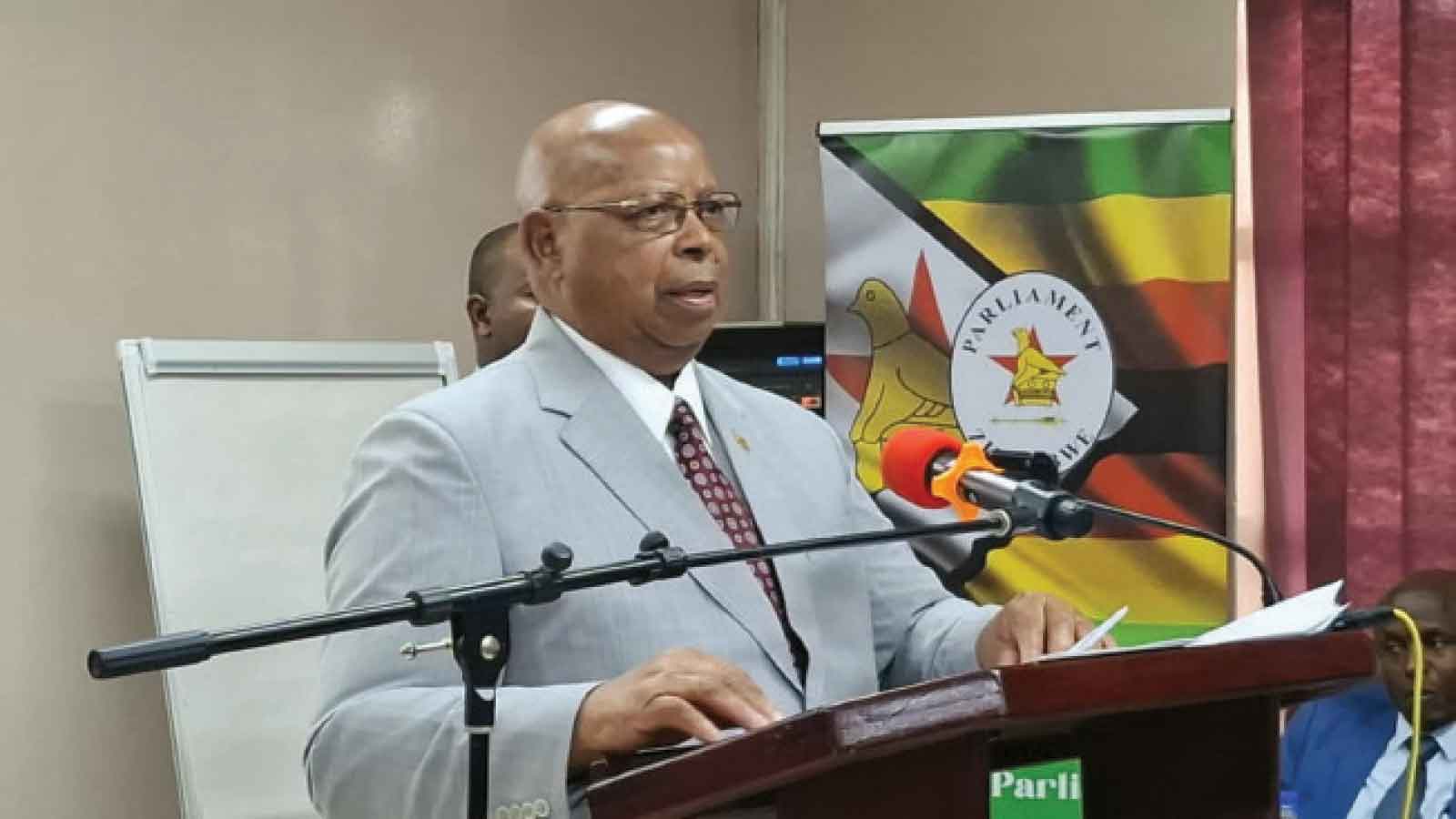
Addressing an IRBM capacity-building workshop here yesterday, Speaker of Parliament Advocate Jacob Mudenda said the Legislature must lead by example if it is to effectively hold Government ministries and agencies accountable.
“Parliament cannot credibly summon the State to account against a standard it has not first imposed on itself,” he said.
“Before Parliament presumes to hold the Executive accountable, it must first demonstrate scrupulous accountability in its own affairs.”
Adv Mudenda warned that the new performance contracts should not be treated as a formality, but as binding commitments to deliver results.
“Your performance contracts must never be discharged in the spirit of perfunctory bureaucratic compliance or reduced to instruments of periodic ritual,” he said.
“They must be embraced as personal pledges of dedicated and honourable public service.”
Parliament, he said, was shifting from tracking activities to measuring real impact on citizens, marking a departure from traditional performance metrics.
Adv Mudenda noted that indicators such as the number of committee oversight visits or the volume of legislation passed were no longer sufficient to gauge institutional effectiveness.
Instead, the new framework will assess whether parliamentary oversight has improved public service delivery, corrected irregularities and triggered policy reforms, while ensuring more efficient use of public resources.
He also called for the institutionalisation of post-legislative scrutiny to evaluate whether laws are achieving their intended social and economic outcomes. To strengthen accountability, Parliament will introduce quarterly performance reviews, complemented by independent mid-term and end-term evaluations to guard against complacency.
Adv Mudenda said the reforms are aligned with Vision 2030 and come at a critical juncture as Zimbabwe transitions to the National Development Strategy 2 (NDS2).
Parliament has already aligned its Institutional Strategic Plan (2026-2030) with both Vision 2030 and NDS2.
He added that the shift mirrors international best practice, citing countries such as Kenya and Australia where results-based management has enhanced legislative oversight.
The framework also aligns with the African Union’s Agenda 2063 and the United Nations Sustainable Development Goal 16, which emphasise strong institutions and accountability.
The post Parliament shifts to results-based oversight model appeared first on Zimbabwe Situation.